

Research & Programs

Heat Pump Water Heaters in Apartments: Yes, They Can Work Well

Heat pump water heaters have a checkered reputation in multifamily settings due to space constraints, noise, and comfort concerns. But in this new study, SWA found that with the right design, integrated heat pump water heaters (iHPWHs) can achieve great performance with virtually no resident complaints.

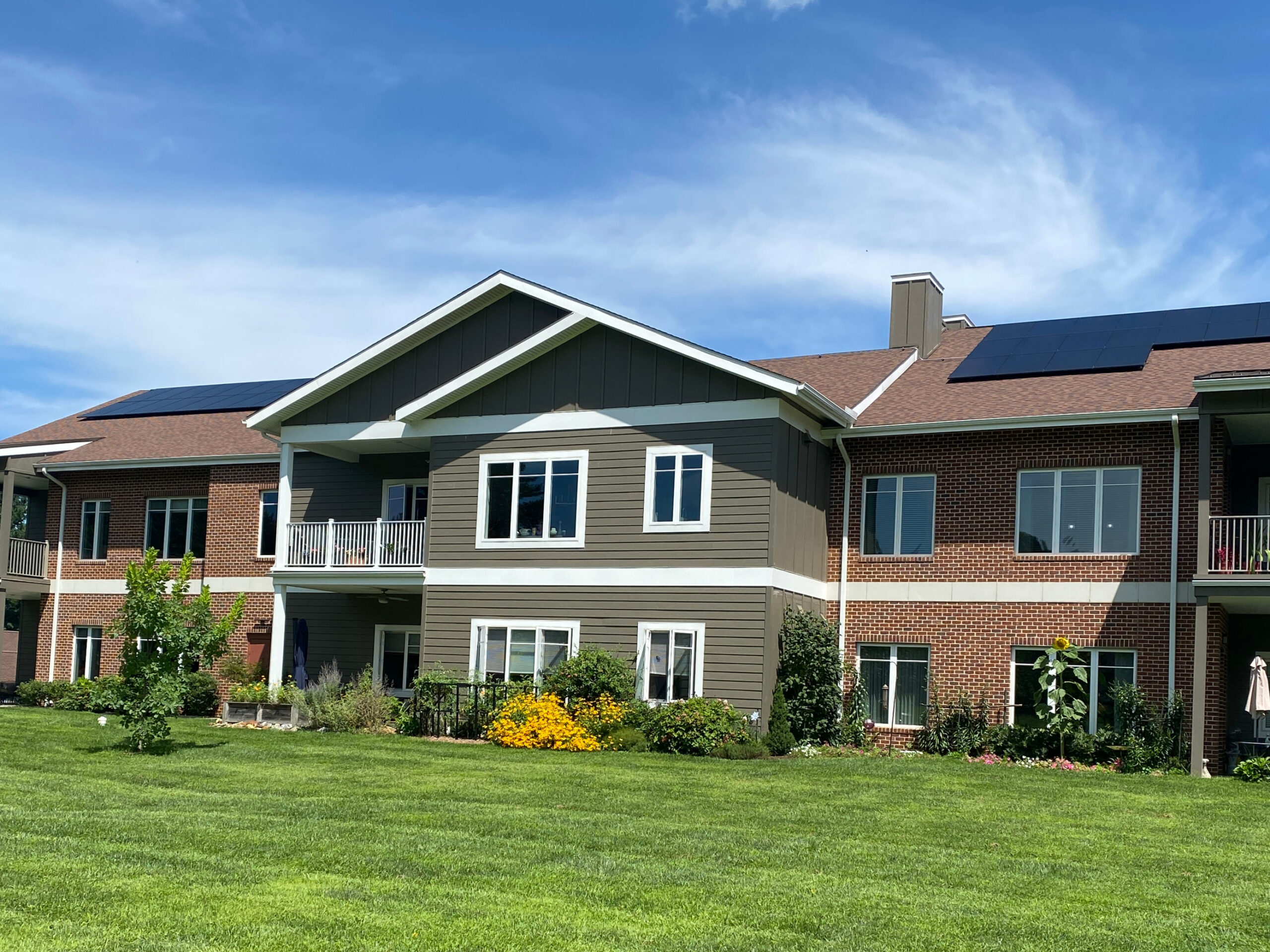
Exterior view of a multi-story multifamily residential building with brick and siding façade, balconies, and rows of windows

In a project funded by the US Department of Energy Building Technologies Office, Steven Winter Associates (SWA) monitored the performance of nine integrated heat pump water heaters installed in new apartments at a senior living community in southeastern Pennsylvania.

Thoughtful design eliminated comfort and noise issues.

Many multifamily heat pump water heater problems stem from poor design rather than the technology itself.

Integrated heat pump water heaters need a sufficient volume of warm air to operate efficiently. They also produce some noise and discharge cool air. In single family homes with garages or basements, these characteristics are often easy to manage. In apartments, however, space limitations mean that improper equipment placement can create comfort and performance issues.

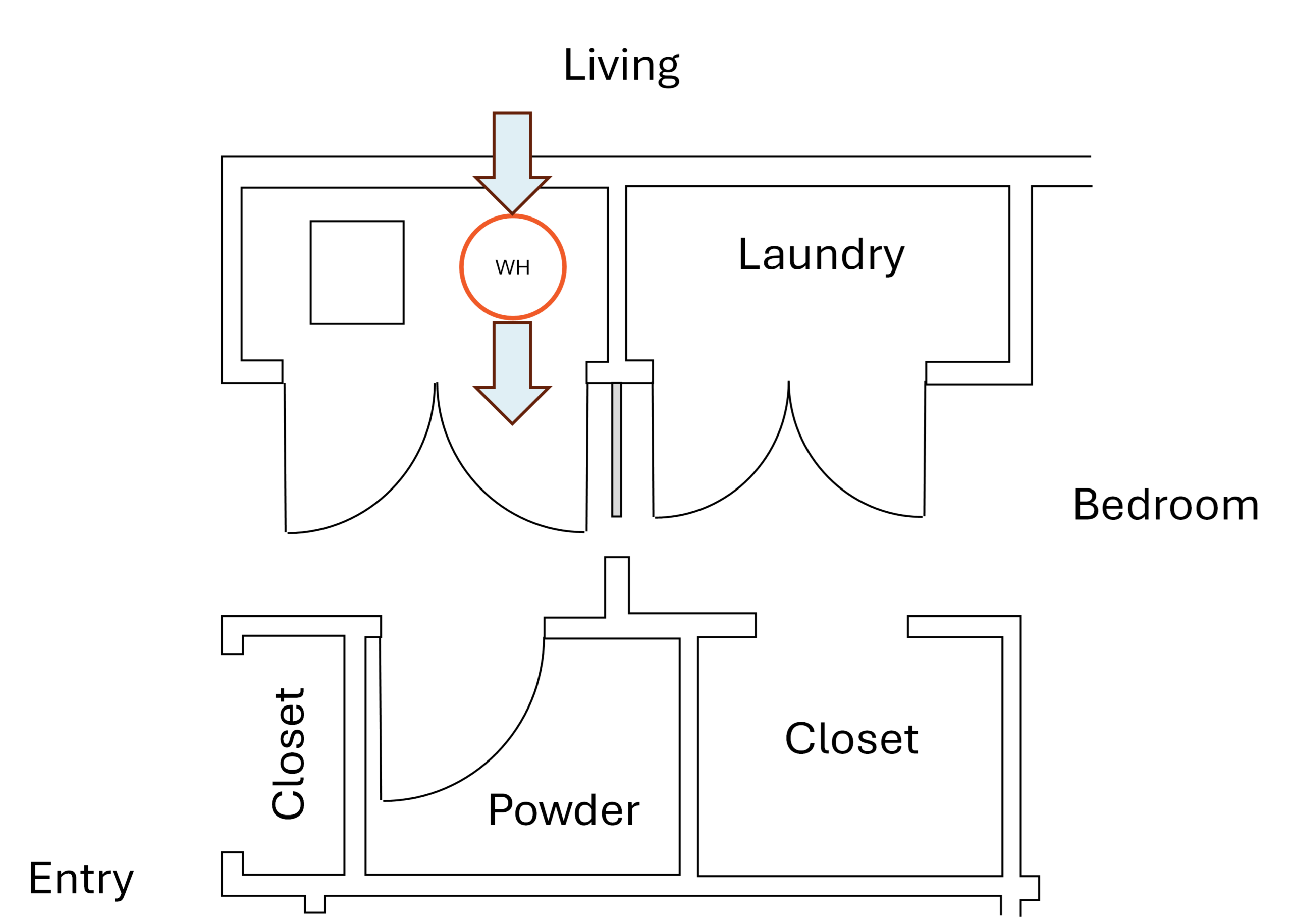
In this project, water heaters were located in enclosed apartment closets away from frequently occupied spaces. Both intake and discharge air were ducted within each apartment drawing warm air from conditioned living spaces and discharging cool air to locations where it would not affect occupant comfort. The result: building maintenance reported no complaints related to noise, cold air, or hot water availability.

These findings are encouraging, but they may not apply to every building. The apartments in this study were relatively large (1,000+ square feet). Achieving similar results in smaller apartments, poorly ventilated spaces, or retrofit projects likely requires different design approaches.

Because SWA has historically seen more unsuccessful multifamily installations than successful ones, we developed the Heat Pump Water Heater Guidelines for Multifamily Buildings to help project teams avoid common design pitfalls. Download a copy here.

Apartment floor plan showing heat pump water heater located near living space, with arrows indicating airflow drawn from the living room and discharged into a hallway near the entry and powder room
This plan segment shows heat pump water heater placement, drawing warm air from the living room and discharging cool air to a hallway near the entry and a powder room.
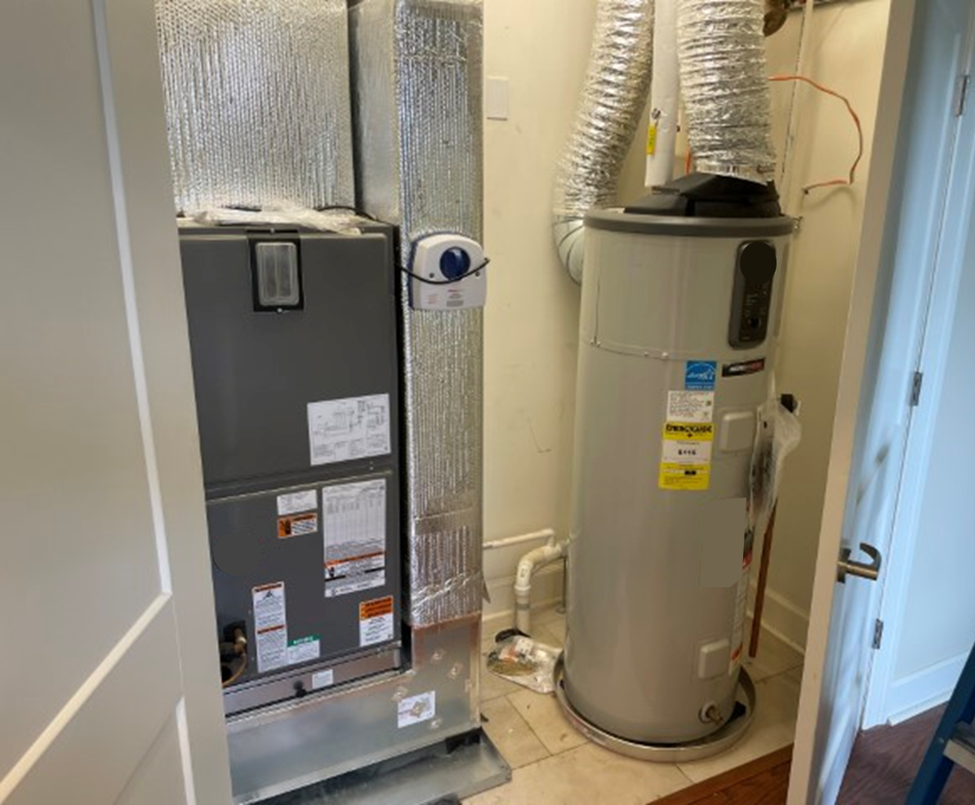
Integrated heat pump water heater installed in an enclosed mechanical closet with ducted connections and adjacent HVAC equipment
One of the iHPWHs we monitored located in an enclosed mechanical closet

Water heating energy use was cut roughly in half.

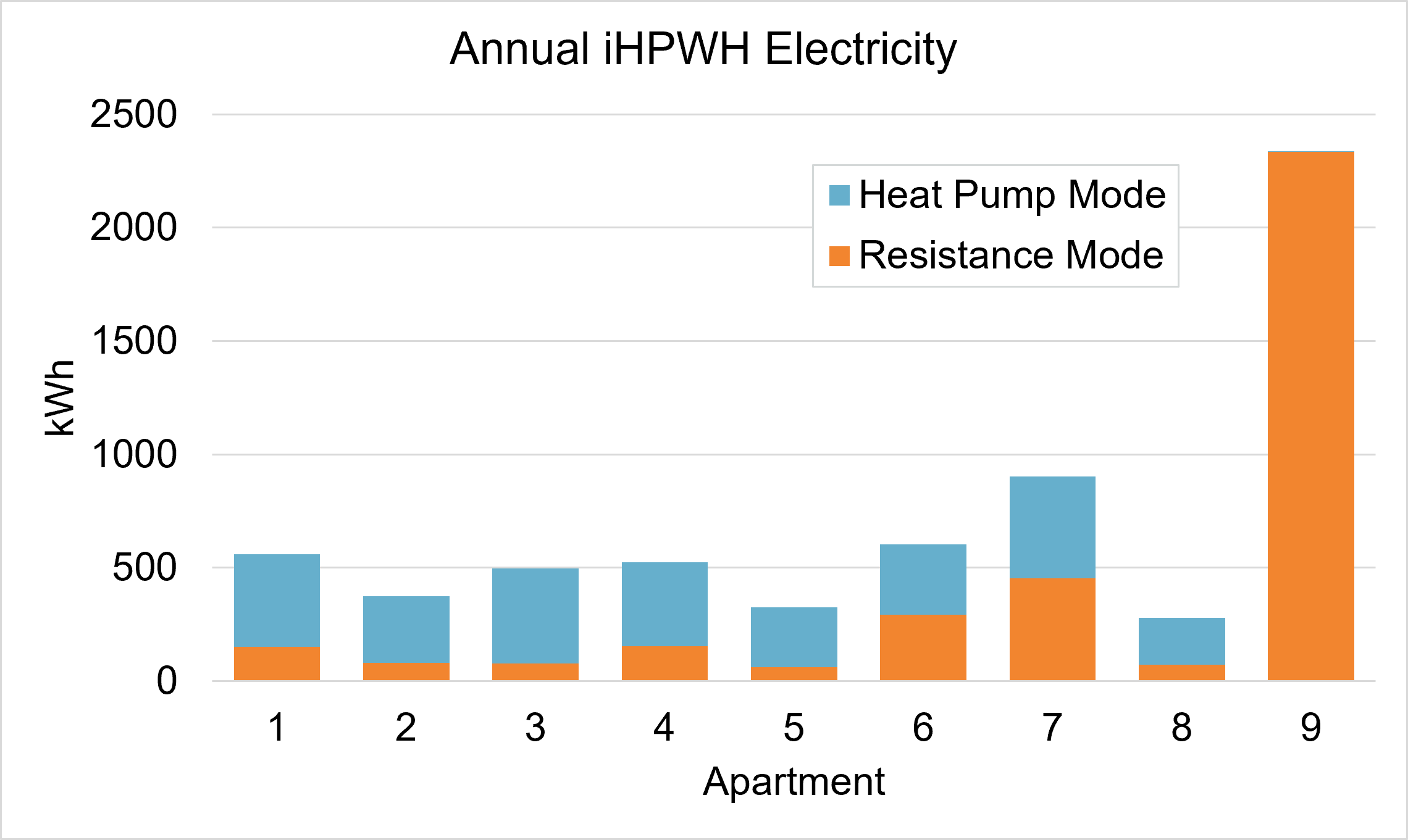
Across eight properly functioning integrated heat pump water heaters, average electricity consumption was 508 kWh per apartment per year.

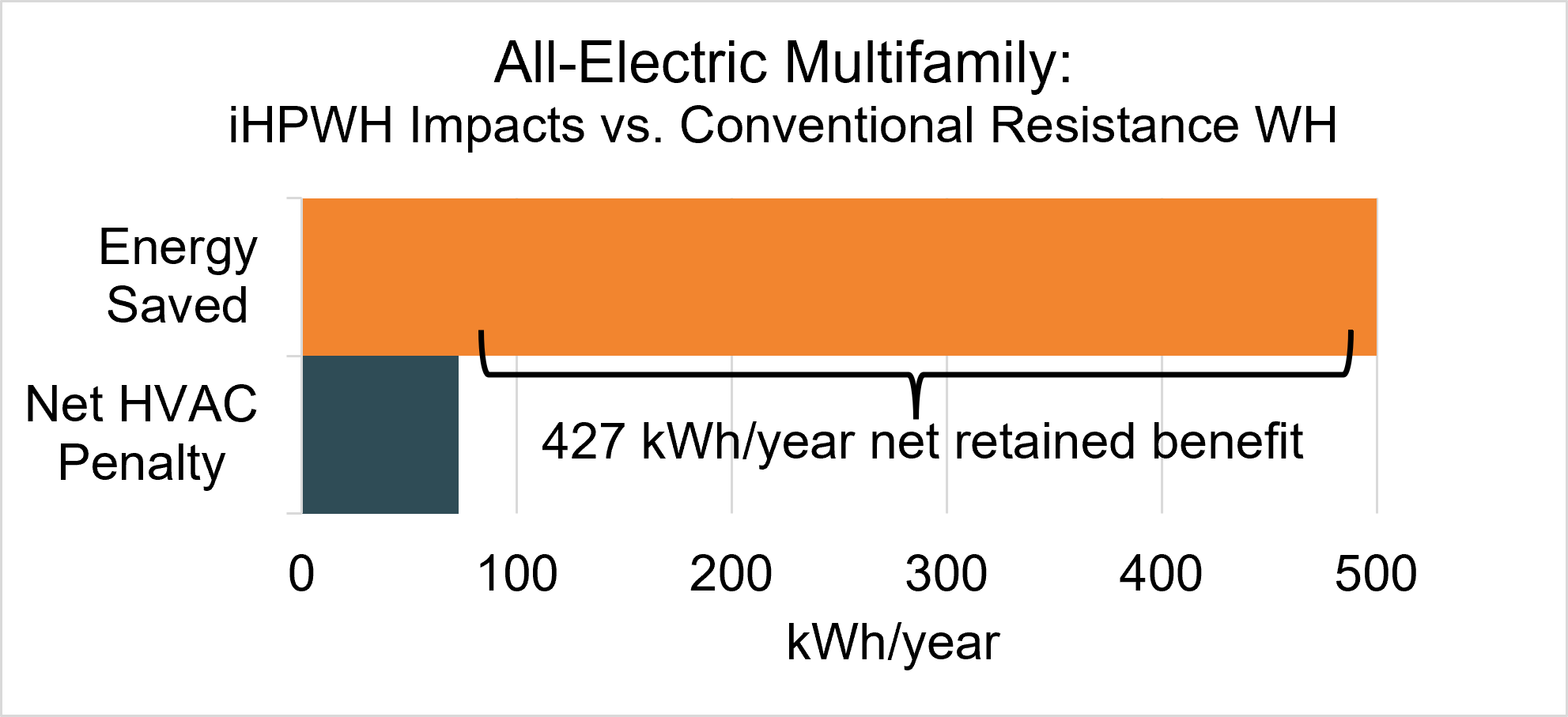
Based on measured performance, SWA estimates the systems reduced water heating electricity by approximately 500 kWh annually compared to conventional electric resistance units.

In the chart below, one water heater (Apartment 9) operated only in resistance mode because of an equipment issue. That unit used substantially more energy than neighboring apartments, highlighting the importance of commissioning and ongoing maintenance. Building maintenance attempted to repair the unit, but it was only running in resistance for the duration of the study.

While heat pump water heaters are more complex than conventional resistance tanks, the energy savings can be significant when systems operate as intended.

Stacked bar chart showing annual electricity use by apartment for integrated heat pump water heaters, with blue bars for heat pump mode and orange bars for resistance mode across nine units
Chart: Annual iHPWH electricity use by apartment

Space conditioning impacts were much smaller than water heating savings.

Because integrated heat pump water heaters extract heat from surrounding air, they affect space heating and cooling demands. In the summer, cold air from the heat pump water heaters offsets air conditioning energy, but in the winter, space heating must compensate for the air cooled by the water heater.

SWA measured airflow, temperature, humidity, and HVAC performance to quantify those interactions.

Across the eight monitored apartments with working heat pump water heaters, integrated heat pump water heater operation resulted in:

  • ≈ 116 kWh per year of additional heating energy
  • ≈ 43 kWh per year of cooling energy savings
  • A net HVAC energy increase of 73 kWh per apartment per year

Compared to the estimated 500 kWh annual water heating savings, the HVAC penalty of 73 kWh per year represented only about 15% or one-seventh of the total benefit.

In winter, heat removed by the integrated heat pump water heaters accounted for roughly 2% of total space heating energy. In summer, the cool discharge air provided a modest amount of “free cooling.”

Bar chart comparing annual water heating energy savings of about 500 kWh per apartment to a net HVAC energy increase of about 73 kWh from integrated heat pump water heater operation
Chart: Annual net energy savings compared to the net HVAC penalty for monitored iHPWHs

The Bottom Line

Integrated heat pump water heaters can work well in multifamily apartments when designers carefully address airflow, equipment location, and occupant comfort.

In this study, the systems delivered substantial energy savings, generated virtually no resident complaints, and produced only modest impacts on space conditioning energy use.

SWA prepared this study for the Building Technologies Office, Office of Critical Minerals and Energy Innovation within the U.S. Department of Energy. We will post the final report when it becomes available. In the meantime, please contact us with any questions.